|
|
|
|
|
|
|
|
|
|
American Customers Are Madder Than Ever; Gen Z Shoppers Aren’t Spending Like Retailers Need Them To; The Original Ad Holding Company Is Gone
|
|
|
|
|
|
|
|
Good morning. Today, what consumers’ relentlessly rising dissatisfaction means for marketers; younger shoppers promise to restrain their spending this holiday season; and the new Omnicom boils its global creative agency networks down to three.
|
|
|
|

|
|
Brands aren’t making it as easy to get help as it is to buy something online. Consumers have noticed. Spencer Platt/Getty Images
|
|
|
|
|
|
Locked-out guests made big headlines last month when the hospitality company Sonder suddenly shut down, throwing trips into turmoil. But many consumers would apparently call that just another day:
-
77% of respondents in this year’s National Customer Rage Survey had a product or service problem in the prior 12 months, a new record, Katie Deighton reports for CMO Today.
-
71% of people said most companies need to improve their customer experience, according to an annual survey by Broadridge—another high.
-
And consumer perceptions of the customer experience fell for a fourth consecutive year, per Forrester, to a record low.
Part of the trouble might be a classic crisis of rising expectations.
“I can order dental floss and it’ll be at my doorstep in 30 minutes,” said Scott Broetzmann, president and CEO of Customer Care Measurement & Consulting, which conducts the “rage” survey with Arizona State University. Handling problems on the other hand still involves time, effort and stress.
Whatever made consumers so dissatisfied with the products and services they buy, marketers need to get them back.
Katie has covered CX since her days on the Journal’s old Experience Report, so I got her take on what companies should do:
|
|
|
Research shows that a brand can lessen the risk of customer rage in two simple ways: Plainly show a customer care number on the website and edit down automated messages that play when someone calls. Obfuscated contact info and long, mandatory listening were the most common-cited frustrations in the rage survey.
(About those automated phone monologues: Customer-experience consultant John Sills often writes about the annoying brush-off “Did you know you can do this online?”—“Yes, I did know I could do it online, because it’s 2025 and I’m aware of the existence of the internet.” If I called you, your online support probably didn’t help.)
Entirely anecdotally, I’d also suggest rigorously linking AI chatbots with human staff. I recently asked a friendly-coded benefits bot, “Can I delete a claim?” It came back straight away with an answer—great!—but that answer was only “No, you can’t.” I clearly was having a problem, and it didn’t prompt me for more, suggest anything or escalate me to a human agent. These are the microannoyances that build over time into rage.
—K.D.
|
|
|
|
|
|
Content from our sponsor: Deloitte
|
|
|
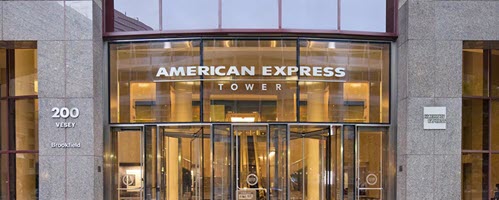
Amex CMO: Brand Starts With Employees
|
|
American Express CMO Elizabeth Rutledge champions employee engagement as the foundation for brand stewardship and innovation. Read More
|
|
|
|
|
|
|
|
|
|
|
|
“You build more loyalty with a customer when you have a problem, and you solve it well, than if you never had a problem.”
|
|
— Hilton President and CEO Christopher Nassetta on the importance of addressing customers’ problems
|
|
|
|
|
|
|
|
|
|

|
|
Generation Z consumers plan to make much sharper cuts in holiday spending than other age groups. Houston Cofield for WSJ
|
|
|
|
|
|
The various after-action reports on Black Friday differ by source but all send the same signal: People found a way to spend. (Purchases rose 10.4% online and 1.7% in stores, for example, according to Mastercard Spending Pulse.)
The glaring and worrisome exception is Gen Z.
Young adults more than any other generation are tightening their year-end budgets and shelling out less for gifts, Jennifer Williams notes for The Wall Street Journal.
That’s a problem for retailers and brands that look to Gen Z to drive shopping trends.
Doing their best:
Best Buy has stocked a broader range of products at lower prices, which helped drive stronger sales among low-income and young shoppers in the latest quarter, CEO Corie Barry said last week.
E.l.f. Beauty is trying to appeal to younger consumers with more offerings such as limited-edition eye-shadow sticks and shimmer balms at low prices. “They don’t have to go out and spend $30 on a lipstick,” CFO Mandy Fields said. “That is one thing I think Gen Z loves.”
Related: “Inside Gen Z’s obsession with renting everything.” [BI]
|
|
|
|
|
|
|
65
|
|
Boxes of Kraft Mac & Cheese in a limited-edition package designed to look like a 65-inch flatscreen TV for Black Friday on Walmart.com. It sold out within seconds, frustrating some who stayed up until midnight for it.
|
|
|
|
|
|
|
|
|

|
|
Interpublic, the first big agency company, debuted in 1961. Omnicom followed in 1986 when BBDO, Doyle Dane Bernbach and Needham Harper combined. Omnicom Group
|
|
|
|
|
|
Omnicom’s acquisition of Interpublic Group closed on the eve of Thanksgiving, creating a new top agency company by global revenue—and sending off a pioneer of the sector.
Some fresh revelations and observations on the occasion:
-
McCann will be the only Interpublic global creative network to survive, with Omnicom’s BBDO absorbing FCB while TBWA takes in DDB and MullenLowe. [Ad Age]
-
The expanded Omnicom will eliminate about 4,000 positions around the world on top of the thousands of jobs IPG and Omnicom cut in the run-up to the acquisition. [The Drum]
-
Advertising's new No. 1 “will have to carefully navigate new client conflicts” now that it works for pairs of rivals like AT&T and T-Mobile or State Farm and Geico. [Adweek]
-
Omnicom will also be everywhere in PR, with agencies including FleishmanHillard, Ketchum, Porter Novelli and Weber Shandwick. [PRWeek]
For CMOs whose businesses don’t require a world-striding colossus:
-
While consolidation reigns among (and within) the legacy ad giants, “private equity has been actively acquiring and helping modernize smaller agencies.” [Axios]
|
|
|
|
|
|
|
“Now I’m not a bourbon expert. But I’m annoying in other ways.”
|
|
— Jim Gaffigan in his new YouTube special, “Live From Old Forester – The Bourbon Set.” The stand-up comic became a bourbon nerd during the pandemic’s lockdown stage, teamed up with a friend on a brand called Fathertime and got Old Forester to sponsor “The Bourbon Set,” paid partly in alcohol.
|
|
|
|
|
|
|
|
|
The community where marketing leaders drop the corporate speak and share what’s actually happening. The WSJ CMO Council unites leaders from the world’s most influential brands including Adobe, Audi, Google, IBM, Intel, Johnson & Johnson, Meta, Taco Bell, P&G and Verizon.
Tap into the connections and WSJ intelligence that move careers forward and separate the prepared from the scrambling.
Request Information
|
|
|
|
|
|
|
$1.2 billion
|
|
Valuation of Peter Thiel-backed Enhanced, whose multi-sport competitions will encourage athletes to use performance-enhancing drugs, in a deal to go public next year by merging with a special-purpose acquisition company
|
|
|
|
|
|
|
|
|

|
|
Campbell's found itself at the center of a controversy after a former employee leaked a recording of an executive. Nic Antaya for WSJ
|
|
|
|
|
|
Campbell’s said it fired the executive allegedly caught on audio disparaging the company’s products and that it believed the voice on the recording was his. [WSJ]
A huge global opening for “Zootopia 2” plus the week-old “Wicked: For Good” made the Thanksgiving box office a smashing success for theater owners and Hollywood. [THR]
Chinese food and drink chains from Heytea to Wallace are spreading out in U.S. cities. [NYT]
American consumers are starting to lose patience with high car prices. [WSJ]
How Amazon’s Counterfeit Crimes Unit works with brands including L’Oreal, Prada and Pandora to sue sellers of counterfeit products. [Modern Retail]
What men want, according to six brands for guys. [WSJ]
A growing pro Wiffle ball league counts backers including Kevin Costner, David Adelman, and Gary Vaynerchuk. [Front Office Sports]
AI video generators are getting ever closer to passing the Will Smith-eating-spaghetti test. [BI]
|
|
|
|
|
|
|
|
|
|
|
|
|
|
|
|