|
|
|
|
|
|
|
|
|
|
NBCUniversal Says Nielsen Devalues Legacy Media With Inaccurate Metrics
|
|
|
|
|
|
|
|
Good morning. Today, a traditional TV executive sounds off on the longtime ratings arbiter.
|
|
|
|

|
|
Nielsen is facing unusual public criticism from a client. Zuma Press
|
|
|
|
|
|
An NBCUniversal executive is calling out Nielsen in a rare public critique of the dominant media-measurement firm by a major client, Patrick Coffee reports for the WSJ Leadership Institute.
The criticism centers on a delayed update to Nielsen’s methodology on a public monthly report called the Gauge. The change would have led to higher reported viewership numbers for broadcast and cable television, at least in the short term, but Nielsen put off its implementation until the fall after questions from streamers over the first batch of numbers.
The events reinforced many media executives’ belief that Nielsen overestimates streaming viewership, both in its industry-standard ratings and even more so in the Gauge, said Mark Marshall, chairman of global advertising and partnerships at NBCU. That unfairly undermines TV owners’ leverage in ad sales, damaging their valuations over time, he said:
|
|
|
“Every media company is valued on a multiple of something, right? The baseline for all of these is revenue, and if that revenue is understated due to incorrect measurement, then absolutely, the valuations of these media companies are being impacted. That is why a change needs to happen.”
|
|
|
|
Nielsen points out that the Gauge, which estimates viewing shares for major platforms, isn’t what ad buyers and sellers rely on to negotiate deals. The industry’s currency is Nielsen’s core Big Data + Panel service, which has used the new methodology since its ratings for January.
TV owners have complained about Nielsen for decades, usually though not always privately, so I asked Patrick how this was different.
Patrick: In their minds, this proves the long-held theory that Nielsen is, and has been, undercounting the number of people who watch old-school TV. For years, clients demanded that Nielsen stop relying entirely on a voluntary panel, so Nielsen added the big data component. But that still wasn't right, clients said. Then Nielsen agreed to incorporate a third-party survey, and surprise surprise, every streamer got knocked down a peg or two. So I think network leadership saw it as vindication.
Once Nielsen does implement this delayed methodology for its Gauge reports, will media clients of Nielsen be satisfied?
Patrick: As Nielsen told me, clients always say their own numbers are better, and they're probably right. I see this conflict pointing toward the much larger problem of measuring viewership at a moment when media consumption just continues to fragment.
There are a few big-and-getting-bigger players that know exactly who is watching what and when, including lots of stuff produced by other companies. But there is no way YouTube or Netflix or Amazon will fully open their data vaults to any measurement firm. So the cycle continues.
|
|
|
|
|
Content from our sponsor: Deloitte
|
|
|
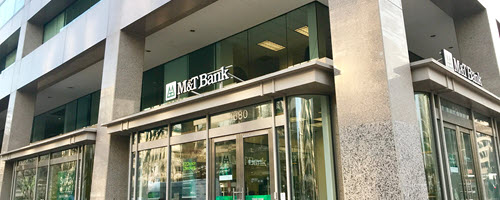
M&T Bank’s Chief Customer Officer: ‘Change Starts in Small Moments’
|
|
Krista Phillips, chief customer and transformation officer at M&T Bank, shares how the company is rethinking customer interactions to modernize the brand experience. Read More
|
|
|
|
|
|
|
|
|
|
|

|
|
American Eagle brought back Sydney Sweeney for another ad campaign after last year’s outing became a lightning rod. American Eagle
|
|
|
|
|
|
Sydney Sweeney is again starring in an ad campaign for American Eagle, but this time seems likely to avoid becoming part of the everything-is-political national discourse.
Last year, some people said American Eagle’s punny “Sydney Sweeney Has Great Jeans” campaign implied that great genes meant blonde hair and blue eyes, or that the ads played to the male gaze in a mismatch with the target customer. Others disagreed. Crosstalk ensued. Defenders eventually came to include President Trump.
Sweeney’s return for American Eagle alludes to that history (and even includes another pun) without seeming to revive it.
Here’s USA Today this morning on a commercial in the new campaign:
|
|
|
“What brand am I wearing?” Sweeney asks in the commercial, posing in denim shorts against a blue sky backdrop, while smiling and playing with her hair. “Yeah, that one,” she says, as the words “SYD FOR SHORT” flash across the screen.
|
|
|
|
Despite the nod back, CMO Craig Brommers told USA Today that the idea was to move forward.
“The real world is very noisy right now, and sometimes you want to turn the volume down, just be your true self and then live your life in American Eagle jean shorts in the summer,” Brommers said.
|
|
|
|
|
|
|
“Blaming Geese for hiring a TikTok marketing firm is like blaming a cereal brand for paying for shelf space at eye level. Every supermarket charges for placement, and it means the brand with less money ends up on the bottom shelf. That’s a legitimate problem, but the answer is to fix how shelves work, not to accuse Cheerios of fraud.”
|
|
— Consequence author Wren Graves on the new Wired article headlined “The Fanfare Around Geese Actually Was a Psy-Op.” The Wired piece cited the band’s use of a marketing agency, Chaotic Good, that says it pursues TikTok “trend simulation.”
|
|
|
|
|
|
|
|
|
The community where marketing leaders drop the corporate speak and share what’s actually happening. The WSJ CMO Council unites leaders from the world’s most influential brands including Adobe, Audi, Google, IBM, Intel, Johnson & Johnson, Meta, Taco Bell, P&G and Verizon.
Tap into the connections and WSJ intelligence that move careers forward and separate the prepared from the scrambling.
Request Information
|
|
|
|
|
Kanye West indefinitely postponed a concert in France after the government said it was considering banning the event because of the singer’s history of antisemitic comments, only a week after the U.K. denied a visa to the controversial rapper. “I take full responsibility for what’s mine but don’t want to put my fans in the middle of it,” West wrote on X. [WSJ]
No, Justin Bieber’s hotly contested Coachella set wasn’t limited by the sale of his music catalog. [The Verge]
The Federal Trade Commission said it has reached settlements in cases against companies selling American flags and other products with misleading “Made in the USA” claims. [Reuters]
Snap said it plans to cut around 1,000 jobs, roughly 16% of its full-time workforce, as the social-media company struggles with profitability. [WSJ]
Birkin bag maker Hermès reported a slowdown in sales growth for the first quarter as the war in Iran clouds the sector’s rebound. [WSJ]
Southwest Airlines named former AT&T and Sam’s Club executive Sabrina Callahan as its first chief digital and marketing officer. It also hired Choice Hotels and Under Armour veteran Nandika Suri to run its Rapid Rewards loyalty program. [MediaPost]
Dianna Russini, a senior NFL reporter at the Athletic, resigned from the sports publication Tuesday after photos of her with the head coach of the New England Patriots prompted questions about her professional conduct. [WSJ]
Paramount pulled its ads from Hollywood business site The Ankler after editorial director Richard Rushfield was seen with “Block the Merger” buttons. [The Wrap]
The Pittsburgh Post-Gazette was set to stop publication next month. It’s getting a new owner instead. [WSJ]
AI agents will be part of the pitch at this year’s TV upfronts. [Ad Age]
|
|
|
|
|
|
|
|
|
|
|
|
|
|
|
|