|
|
|
|
|
|
|
|
|
|
Advertisers Start the Holidays Earlier Than Ever; PayPal Applies to Establish a Bank; Fossil Sets Out to Lose Sales
|
|
|
|
|
|
|
|
Good morning. Today, advertisers are just one month away from a literal Christmas in July; a fintech pioneer eyes a move into traditional banking; and Fossil cuts discounts—but doesn’t stop there.
|
|
|
|

|
|
Holiday TV advertising spending is increasing, including in the earliest weeks of the traditional shopping season. Source: iSpot
|
|
|
|
|
|
Economic anxiety pulled holiday advertising earlier than ever this year—not that marketers usually need a push.
Advertisers deployed their holiday budgets sooner this year as a way to win consumers who were worried that prices would go up, Suzanne Vranica reports for The Wall Street Journal.
Some started holiday TV ads in August. Amazon, one of the largest advertisers in the country, waited until Oct. 13—still nearly three weeks earlier than last year, according to ad-tracking firm iSpot.
Be bold:
Despite the deluge, Americans generally like holiday ads, according to an online poll conducted this month by Morning Consult for The Journal.
A majority of baby boomers and Gen Xers said holiday commercials start too early, but millennials and Gen Z weren’t as troubled.
Less clear:
Is this really the year that “Thriftmas” takes off? [Modern Retail]
|
|
|
|
|
Content from our sponsor: Deloitte
|
|
|
Game-Changing Social Media Strategies to Engage Sports Fans
|
|
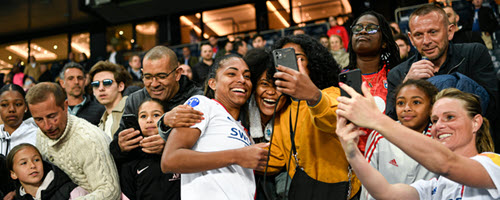
Sports organizations are tapping social media platforms to activate fans. Common strategies include rewards programs, amplifying player voices, and regular social listening to inform decision-making. Read More
|
|
|
|
|
|
|
|
|
Everyone Wants to Be a Bank
|
|
|
|
|

|
|
PayPal Bank would be an industrial loan company, which is a type of entity that can lend money, hold FDIC-insured deposits and be owned by a non-financial institution. Dado Ruvic/Reuters
|
|
|
|
|
|
Maybe the great boil-down of U.S. bank brands isn’t the end of that story.
PayPal has applied to form a bank offering business loans and interest-bearing savings accounts, The Journal’s Katherine Hamilton writes.
The trend so far is impossible to miss, of course.
-
Some 30% of domestic deposits are now handled by three household names: JPMorgan Chase, Bank of America and Wells Fargo.
-
Almost 5,000 banks are insured by the FDIC, down from nearly 9,000 in 2005 (partly through mergers that gave us names like Truist).
My own hometown bank brand, Chittenden, disappeared in 2010.
But the interest by a fintech pioneer is just the latest sign that newcomers think their names can work on the ledger.
-
The buy now, pay later platform Sezzle said last month that it, too, was looking into securing a bank charter.
-
Klarna and Affirm have both launched debit cards in recent years.
-
And, as this newsletter mentioned last week, debit cards using rewards as a lure are coming back courtesy of hospitality and travel companies including United Airlines, Southwest and Wyndham.
|
|
|
|
|
|
|
“If things go wrong, the companies could go bankrupt. We must make them think like this.”
|
|
— South Korean President Lee Jae Myung advocating harsher penalties for personal-data breaches after an incursion at the country’s equivalent of Amazon exposed information on almost every adult—including names, phone numbers and even the keycode to enter residential buildings.
|
|
|
|
|
|
|
|
|
|

|
|
Fossil is collaborating with singer Nick Jonas on a new watch collection. Anthony Mandler/Fossil
|
|
|
|
|
|
The tension between sales and profits continues to play across C-suites.
Fossil Group is all but intentionally selling fewer watches as it fights a discounting habit that was hurting the economics on each sale, Jennifer Williams reports for The Wall Street Journal Leadership Institute:
|
|
|
“Our discount rate on e-commerce has been reduced more than 50% in the last year,” said Fossil Chief Financial Officer Randy Greben. This means that if items on sale were previously marked down 20%, the discount would now be 10%. “We knew it would shrink our e-commerce business and it absolutely has. And that’s been OK,” he said.
|
|
|
|
But for any other marketers considering a cutback on discounts, note that Fossil’s strategy doesn’t stop there. It’s also closing stores, cutting jobs and....promoting new products like a collaboration with Nick Jonas.
“Usually, a company doesn’t go heavy on marketing unless it’s highly confident on where it stands in the turnaround strategy,” said Tom Forte, a managing director at investment bank Maxim Group:
|
|
|
“Early-stage turnarounds are usually all about expense management. That’s an element that’s not about expense management.”
|
|
|
|
|
|
|
|
$19.5 billion
|
|
Charges that Ford Motor said it expects to take, mainly tied to its electric-vehicle business, a massive hit as the automaker retrenches in the face of sinking EV demand. Ford said it remains on track to produce a $30,000 EV pickup for sale by 2027, the first in a planned string of low-cost EVs.
|
|
|
|
|
|
|
|
The community where marketing leaders drop the corporate speak and share what’s actually happening. The WSJ CMO Council unites leaders from the world’s most influential brands including Adobe, Audi, Google, IBM, Intel, Johnson & Johnson, Meta, Taco Bell, P&G and Verizon.
Tap into the connections and WSJ intelligence that move careers forward and separate the prepared from the scrambling.
Request Information
|
|
|
|
|
|

|
|
President Trump is seeking $10 billion in damages after accusing the BBC of a biased attack on his reputation. Tayfun Salci/Zuma Press
|
|
|
|
|
|
President Trump sued the BBC for defamation over its editing of a documentary that featured his speech before the Jan. 6, 2021, Capitol riot. [WSJ]
The BBC could be required to begin a subscription streaming service or carry ads under possible plans under consideration by U.K. ministers. [Deadline]
Chatbots will erode social media’s role in consumer discovery—and five other predictions for AI and marketing in 2026. [Adweek]
Amazon Prime’s new AI recap feature produced an error-packed look back at “Fallout” season one. [Futurism]
Lowe’s aims to offer shoppers AI tools to visualize what their homes and projects really need. [Modern Retail]
ESPN named USA Today veteran Roxanna Scott to the newly created post of editor in chief, responsible for news gathering across TV and digital media. [Front Office Sports]
Netflix hired Instacart Chief Corporate Affairs Officer Dani Dudeck to be its chief communications officer. [Variety]
Hain Celestial named former J&J and Coca-Cola marketing leader Alison Lewis president and CEO, taking the “interim” off a title she had held for seven months. [Just Food]
Meta managers decided to limit misconduct by Chinese advertisers at its current level instead of bringing it down to “parity” with the rest of the world. [Reuters]
|
|
|
|
|
|
|
|
|
|
|
|
|
|
|
|