|
|
|
|
|
|
|
|
|
|
|
|
Trove of Critical Minerals and Rare Earths Uncovered in the Utah Desert
|
|
|
|
|
|
|
|
Today: Ionic MT says untapped reserve will help the U.S. compete with China; typhoon survivors sue Shell over climate change; the unhappy effort to deter fish from the cooling system of a British nuclear power plant.
|
|
|
|
|
|

|
|
Ionic MT discovered the minerals at a site in Utah's Silicon Ridge. Photo: Ionic MT
|
|
|
|
|
|
Welcome back: A reserve of 16 different types of critical minerals has been discovered in the Utah desert, sparking interest from the White House, WSJ Pro Sustainable Business's Clara Hudson reports.
Ionic Mineral Technologies says it has so far drilled an area covering more than 600 acres to a depth of 100 feet, but there is much more to explore. “We know this is a sizable deposit, and we know that’s just scratching the surface,” CEO Andre Zeitoun said.
Critical minerals and rare earth materials are used in the manufacture of electric vehicles, wind turbines and even fighter jets.
Ionic MT had leased the land as part of its business producing nanosilicon for lithium-ion batteries, which power EVs. But the company said that what it found was a host of other minerals, in what it believes could be the most significant critical mineral reserve in the U.S.
The company said it has had several meetings with the Trump administration and that the White House has expressed “clear enthusiasm about our work and its potential national impact.”
China dominates the critical minerals market while supplying about 90% of the world’s rare earths. The Trump administration sees critical mineral mining in the U.S. as a national security priority.
-
Startups and venture capital are joining a nationwide push to develop new sources of metals the U.S. desperately needs and which China has long dominated. (WSJ)
-
The failure of one company to build a China-free rare-earths supply illustrates how Beijing has come to dominate critical minerals. (WSJ)
-
China plans a “validated end-user” system to ease rare-earth exports, excluding companies tied to the U.S. military. (WSJ)
|
|
|
|
|
Content from our sponsor: Deloitte
|
|
|
Advanced Nuclear Power for Energy Resilience: A Strategy for States
|
|
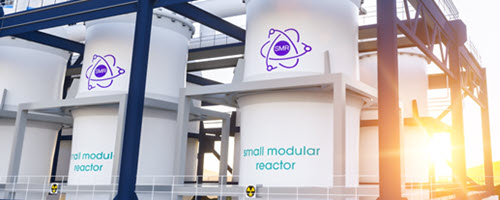
A comprehensive energy plan that includes strategic modeling and robust security can help states boost grid reliability and meet surging electricity demand with nuclear power technology innovations. Read More
|
|
|
|
|
|
|
|
|
Philippines Typhoon Survivors Sue Shell Over Climate Change
|
|
|
|

|
|
Super Typhoon Rai devastated large parts of the Philippines in December 2021, killing hundreds. Photo: Bobbie Alota/Agence France-Presse/Getty Images
|
|
|
|
|
|
A group of more than 100 Filipinos are suing British oil-and-gas giant Shell, claiming that its historical contribution to climate change from fossil-fuel production was a significant factor in causing a super typhoon that battered the country four years ago.
The storm, which hit the Philippines in December 2021, caused the deaths of more than 400 people and nearly $1 billion in damage. Alongside the lives lost, hundreds of thousands were made homeless and lost their livelihoods.
The claimants argue that Shell has known for decades that burning fossil fuels contributes to climate change and has campaigned to undermine the scientific consensus on the issue.
Shell described the claim as baseless, saying that the suit wouldn’t help tackle climate change. The company received a letter before court action in October from London law firm Hausfeld and Co., on behalf of the claimants, which notified the company of the impending lawsuit.
-
The biggest bank in the Netherlands is being sued for not taking strong enough action to tackle climate change. (WSJ)
|
|
|
|
|
|
|
|
|
|
The Big Fight Over a ‘Fish Disco’ at a British Nuclear Power Plant
|
|
|
|

|
|
The twaite shad, a type of herring, is endangered in Britain. Photo: Buiten-Beeld/Alamy
|
|
|
|
|
|
A plan to scare fish away from the cooling system of a coastal nuclear power plant in the U.K. has run into complications, The Wall Street Journal's Max Colchester and Eliot Brown write. EDF, the French company building the plant, promised a novel solution: It would construct an elaborate noise machine, aka a “fish disco,” to deter the marine life.
But different fish move to different tunes. High-frequency noises deter shad, but might be harmful to dolphins. Trout and salmon need more bass. Eels, unhelpfully, have ears behind their eyes and only respond to flashing lights.
EDF is now on the hook to roll out miles of cables linking 288 underwater speakers blaring sounds louder than a jumbo jet 24 hours a day for 60 years. The company is balking, saying the technology would cost tens of millions of dollars to construct and maintain and won’t save that many fish.
The debate is symbolic of a totemic battle in Britain, where everything from major infrastructure projects to ordinary homes are often repeatedly knocked back or delayed because of the country’s complicated system for getting planning permission. Especially when it comes to wildlife.
-
U.S. startup lands deal to develop AI-for-nuclear rules. (Heatmap)
|
|
|
|
|
|
|
|
|
|
|
|
|
|
|
|
-
Exxon Mobil is pausing its biggest investment in clean hydrogen, saying there’s too little evidence of demand. (Barron's)
-
Google has signed a new ocean-based offtake agreement with marine carbon dioxide removal provider Ebb Carbon. (ESG Today)
-
Salesforce can point to solid progress on cutting emissions from electricity use. But those gains have been canceled out by AI. (Trellis)
-
BlackRock's Global Infrastructure Partners will invest up to $335 million in Grasim Industries green arm for a minority stake. (ESG News)
-
Inside the failed green revolutions at BP and Shell. (FT)
-
Former Trump strategist wants a U.S. carbon price. (Sustainable Views)
-
The EU is weighing a reprieve from its effective ban on the combustion engine after pressure from automotive countries. (Bloomberg)
-
Corporate spending on equipment to mitigate the effects of extreme heat will need to increase, says McKinsey. (Dow Jones Risk Journal)
-
A regulator found evidence that nine major banks improperly refused to do business with politically sensitive industries. (WSJ)
|
|
|
|
|
|
|
|
|
|
|
|
|
|
|
|