|
|
|
|
|
|
|
|
|
|
The Morning Risk Report: Iran Moved Billions Through Binance to Fund Regime—Continuing Into This Month
|
|
By David Smagalla | Dow Jones Risk Journal
|
|
|
|
|
|
|
Good morning. As Iran braced for conflict with the U.S., a key regime financier built a secret payment network to keep money flowing to its military forces. At its core was Binance.
|
|
-
Big trades: Until as recently as December, the network, run by Babak Zanjani, an Iranian who is a self-described “antisanction” operator, made $850 million in transactions over two years on the world’s largest cryptocurrency exchange, mostly on a single trading account, internal Binance compliance reports show.
-
More flags: Zanjani allies, including a sister, a romantic partner and a director of Zanjani’s company, ran additional accounts, all accessed from the same devices—a pattern the Binance investigators flagged in their reports as evidence the group was evading U.S. sanctions on Iran.
-
What was done? Even after multiple internal flags on the activity, the main account continued to operate over a period of at least 15 months and was open as of January, according to the Binance reports. Zanjani’s use of Binance hasn’t been previously reported.
-
Where the funds went: The funds are part of billions in crypto transactions that have flowed through Binance to networks financing Iran’s Islamic Revolutionary Guard Corps in the two years preceding the current U.S.-Iran war, according to Binance compliance reports, blockchain data, foreign law-enforcement officials who track terrorism financing and other crypto researchers and nonpublic documents.
-
Binance’s response: A Binance spokesperson said the information was inaccurate, that Binance didn’t permit any transactions with individuals or digital wallets that were sanctioned at the time and that Binance took all appropriate actions once they were.
|
|
|
|
|
Content from our sponsor: Deloitte
|
|
|
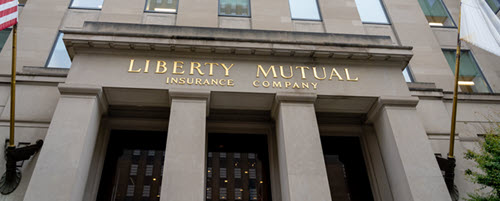
Liberty Mutual Exec Rewires Finance With AI
|
|
Julie Haase, who rose from analyst to CFO at Liberty Mutual, discusses the role of people and data in rewiring processes and building AI comfort and fluency in finance. Read More
|
|
|
|
|
|
|
|
|
|
|

|
|
James Comer, the Republican chair of the House Oversight Committee. Photo: Andrew Harnik/Getty Images
|
|
|
|
|
|
House Republicans open investigation into prediction-market insider trading.
James Comer, the Republican chair of the House Oversight Committee, opened an investigation into how users of Kalshi and Polymarket are using insider information to make trades on the prediction-market platforms.
Comer sent letters Friday to Polymarket Chief Executive Officer Shayne Coplan and Kalshi Chief Executive Officer Tarek Mansour requesting documents and information to assess how the platforms verify the users’ identities, enforce geographic restrictions and monitor suspicious trading activity.
|
|
|
|
|
States flex muscle on antitrust enforcement as Trump administration pulls back.
When the Justice Department settled with Live Nation at the start of a long-awaited antitrust trial, it mounted a pressure campaign against a group of plaintiff states to demand that Republican attorneys general join the truce.
Then-Attorney General Pam Bondi warned some of the GOP state officials that the deal was personal to President Trump, according to people familiar with the matter.
But to many of the states, the deal looked like a slap on the wrist, not the catalyst needed to promote competition in concert ticketing. More than 30 states decided to litigate even after the feds dropped out—and they won.
|
|
|
|
-
President Trump postponed signing an executive order on artificial intelligence, citing concerns about hindering U.S. leadership versus China. Venture capitalist David Sacks, a Trump adviser, warned the order could lead to mandatory regulations, slowing the industry in its race with China.
-
President Trump's scuttled plans to implement federal oversight of frontier AI models like Anthropic’s Mythos and OpenAI’s GPT-5.5, stoking fears that developers will continue to have free rein over a powerful technology that threatens corporate and national security.
-
The European Union and Mexico are set to sign a renewed trade agreement as the bloc continues to forge partnerships with other countries amid tensions with the U.S.
-
The European Union has extended its Iran sanctions framework to allow the designation of individuals and entities responsible for obstructing freedom of navigation in the Strait of Hormuz, the Council of the EU announced Thursday. (free link)
-
Most green-card applicants will need to go abroad to apply for permanent residency at an American consulate, rather than filing from within the U.S. as they do now, the Trump administration announced Friday.
-
State cybersecurity officials urged the federal government to roll back cuts to programs, arguing federal support weakens defenses against new AI and nation-state threats.
-
The China Securities Regulatory Commission on Friday said it had penalized three brokers—Tiger Brokers, Futu Securities and Changqiao Securities—for what it described as illegal cross-border activities.
|
|
|
|
|
|
|
|
|
|

|
|
A billboard in Tehran. Photo: Abedin Taherkenareh/EPA/Shutterstock
|
|
|
|
|
|
Iran talks bog down over nuclear program and sanctions relief.
Progress toward a deal to end the war with Iran slowed Monday as the two sides dug in over references to the country’s nuclear program and financial relief for Tehran, mediators said.
The slowdown followed a weekend that began with President Trump and other administration officials saying a deal was close and ended with Trump saying he wouldn’t rush to conclude an agreement that wasn’t right.
The two sides are working toward a memorandum of understanding that would end the fighting and lift constraints on shipping traffic in the Strait of Hormuz over 30 days while setting the stage for talks about Iran’s nuclear program in a second phase. Relief from sanctions would depend on progress, a senior U.S. administration official said Sunday.
|
|
|
|
|
How Venezuela’s new leader rose from pariah to powerful U.S. partner.
Venezuelan interim President Delcy Rodríguez has rapidly positioned herself as Washington’s indispensable partner in Venezuela since U.S. commandos captured her boss, strongman Nicolás Maduro, in January. Once an adversary sanctioned by the U.S. and a hard-line socialist, she now hosts a steady stream of Americans eager to invest in oil-rich Venezuela, and wins praise from Trump.
So far, Rodríguez’s alliance with the U.S. is giving her the money, legitimacy and time to consolidate power and preserve much of the authoritarian system built under Maduro—while pushing free elections further out of reach.
|
|
|
|
|
|
-
African countries are finding it harder to export to the U.S. since President Trump returned to the White House with a long list of tariffs. But China sees their struggle as an opportunity. Since May 1, Beijing has removed tariffs on all goods from 53 of 54 African nations in an effort to win business and influence across the continent.
-
U.S. Secretary of State Marco Rubio visited India to mend strained ties following President Trump’s tariffs, immigration policies and embrace of Pakistan.
-
European officials had hoped that agreeing to boost military spending would win Trump’s favor, but are now contending with shifts in U.S. troop levels.
-
Pope Leo XIV issued an encyclical warning that artificial intelligence “threatens to normalize an anti-human vision” and requires regulation.
-
Russian missiles and drones smashed into Ukraine’s capital, burning down a market and damaging homes and schools in one of the largest aerial assaults since the start of the war.
-
Standard Chartered CEO Bill Winters struggled to draw a line under comments that the bank would replace “lower-value human capital” with AI.
-
Higher gasoline prices and the tense standoff in the Middle East helped push consumer sentiment to a new all-time low in May, with rising anxiety about future inflation, according to the University of Michigan’s monthly survey.
-
Huawei Technologies said it has developed a workaround that will allow it to make chips on par with leading products manufactured by Intel and other top global companies by 2031, the latest effort by the Chinese company to overcome U.S. semiconductor technology barriers.
-
Alberta Premier Danielle Smith plans an October vote to gauge residents’ desire to remain in Canada or pursue a separation referendum.
-
California authorities braced for a leak or explosion from a damaged 34,000-gallon methyl methacrylate tank at a GKN Aerospace plant, prompting over 40,000 evacuations.
|
|
|
|
|
|
|
|
-
The Class of 2026, the most AI-native graduates, faces a job market where AI creates both opportunities and job cuts.
-
Technology chief Andrew Bosworth is leading Meta’s transformation into an AI-first company, which last week included a wave of layoffs.
-
The conflict in the Middle East has sent fuel and fertilizer costs surging, the latest challenge for U.S. farmers after President Trump’s tariffs last year stifled exports of vital crops. The pressures are showing up in farm loans, with demand for funding rising as farmers look to handle the higher costs.
-
The U.S. is pausing visa issuance for any travelers who have been in South Sudan, the Democratic Republic of Congo or Uganda within 21 days of planned travel to the U.S. as part of a response to contain a rapidly spreading Ebola outbreak, according to officials and internal State Department documents.
-
AI is coming to small business, helping companies to organize supply chains, plan production and execute other functions in ways that only multibillion-dollar enterprises were once able to afford.
|
|
|
|
|
|
|
|
|
|
|
|
|
|
|
|