Migration and health news from around the WHO European Region
No images? Click here
Migration and health news from around the WHO European Region.


Migration and Health Newsletter
December 2025
Dear reader,
This is the final issue of the Health and Migration Newsletter from the WHO Regional Office for Europe. Thank you for your continued interest and engagement in our work, and we encourage you to subscribe to other WHO/Europe newsletters, including WHO/Europe’s News Highlights here.
We hope to continue sharing news and updates from across the Region with you in the near future.
Sincerely,
WHO/Europe Health and Migration Programme

18 December 2025, Global
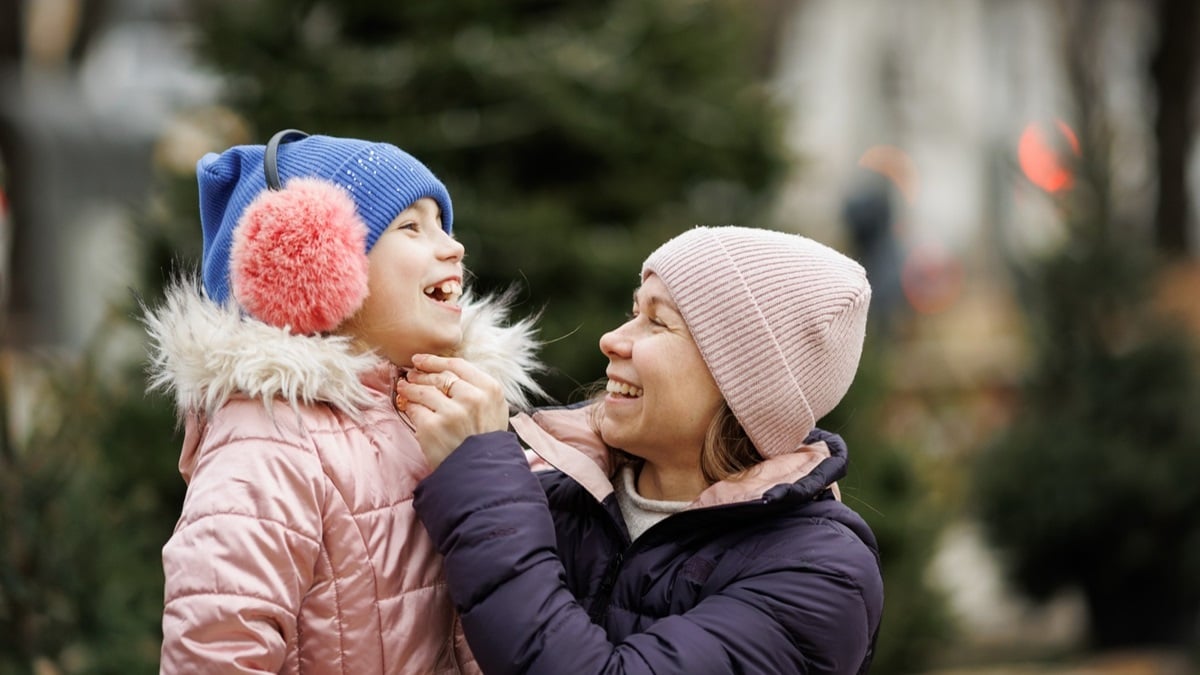
Every year on 18 December, International Migrants Day is recognized to advocate for migrants’ rights, including their right to health. WHO/Europe marks International Migrants Day by joining the International Organization for Migration (IOM) in its call to support people in finding safety and opportunity by ensuring access to health services throughout their migration journeys.
The health dimensions of migration include ways in which human mobility affects physical and mental well-being, access to health services and continuity of care across borders, as well as whether health systems respond in inclusive and equitable ways. Protecting migrants’ health is essential for collective development, social cohesion and resilient health systems, and it is fundamental to achieving universal health coverage.
Visit the event page here.


WHO/Europe launches the health system review for refugee and migrant health in Lithuania
18 December 2025, Vilnius, Lithuania
Lithuania’s health system is adapting to rapid demographic shifts, hosting over 47,000 people under temporary protection and growing migrant communities. WHO, in collaboration with the Ministry of Health of Lithuania and partners, conducted a review in 2025, exploring how the system integrates refugees and migrants, highlighting progress in legal frameworks, health infrastructure, and coverage, and identifying gaps to inform action.
A high-level launch event will present key findings from Lithuania’s Refugee and Migrant Health System Review, share country experiences, and catalyze dialogue to set priorities for interventions and resource mobilization. The discussion is expected to produce a shared understanding of priorities, practical action points for national and municipal implementation, and a foundation for future collaboration. This EU-funded event is organized by the WHO Country Office in Lithuania, WHO Regional Office for Europe, and WHO Special Initiative on Health and Migration (HQ), together with the Ministry of Health of Lithuania.
Read the report here.
Learn more about the launching event here.


December 2025, the Republic of Moldova
The WHO Country Office in the Republic of Moldova is organizing five regional workshops in Bălți, Cahul, Chișinău, Comrat, and Orhei / Soroca targeting 500 healthcare professionals, including family doctos and nurses, to increase their awareness and knowledge on HPV prevention and vaccination services targeting refugees from Ukraine. Information materials will be produced in Romanian, Russian, and Ukrainian to ensure that refugee communities have acess to these resources.


December 2025, Estonia
In a pioneering step towards more inclusive health education, the University of Tartu in Estonia has integrated the WHO Global Competency Standards (GCS) for refugee and migrant health into its medical curriculum. This milestone aligns national training with international standards that promote culturally sensitive, equitable and people-centred health services helping to ensure that health workers are prepared to respond to the diverse needs of refugees and migrants.
Developed by the WHO Health and Migration Programme, the Standards define the core competencies and behaviours required for health workers to deliver quality care for refugees and migrants. The standards are organized across five key domains – people-centredness, communication, collaboration, evidence-informed practice, and personal conduct – guiding health workers to respond to the diverse needs of refugees and migrants, from language and cultural barriers to ethical and psychosocial considerations.
Learn more about the GCS here.
Enroll the online training page on WHO Academy.


Sixth WHO Global School on Refugee and Migrant Health took place in Geneva
9-11 December, Geneva, Switzerland
The sixth edition of the Global School on Refugee and Migrant Health took place from 9-11 December in Geneva, exploring how leadership at global, regional, national and community levels can drive progress in advancing refugee and migrant health. Through interactive panels, keynote presentations and country case studies, participants engaged with practical experiences and evidence-informed approaches from around the world. All material is accessible through the event page.
Learn more: Sixth WHO Global School on Refugee and Migrant Health


WHO/Europe has published a new report on labour migration
14 November 2025, Region-wide
WHO/Europe Health and Migration Programme launches a new report examining labour migration trends across the Eurasian Economic Union (EEU) and the legal frameworks shaping access to health care. Labour migrants are central to the social and economic fabric of the EEU. Ensuring their health and well-being is not only a matter of equity — it strengthens resilience, supports regional integration and benefits societies as a whole.
The report brings together good practices from across the region and internationally, while also identifying the ongoing challenges faced by migrant workers and their families. From strengthening legal protections and improving health financing to expanding digital health tools and enhancing cross-border cooperation, the report outlines concrete strategies for building more inclusive health-care systems across the EEU. Sustained commitment is essential to close remaining gaps, advance health equity and embed migrant health into national and regional policies.
Read the report in English here.
Read the report in Russian here.


