
Sustainability Glossary
The feedback from our 2023 Sustainability Survey highlights a strong desire for Chapman to provide more education surrounding sustainability. Here are some common sustainability terms and their definitions to help you navigate sustainability-related articles or social media content you may come across:

Greenwashing — Deceptive practice of conveying a false or exaggerated impression of environmental responsibility to promote a company's products or image as environmentally friendly.
Wish-cycling — Practice of putting items into recycling bins with the hope or belief that they are recyclable, even though they may not be accepted by recycling facilities. Some examples include wrapping paper, soiled paper products, styrofoam, pizza boxes. “When in doubt, throw it out” – if you’re not sure if an item is recyclable, it’s best to put it in a trash bin so it doesn’t contaminate items that are actually recyclable.
Climate resilience — Climate resilience refers to the ability of a system, community, or society to anticipate, recover from, and adapt to the adverse impacts of climate change.
Carbon footprint — The total amount of greenhouse gases, especially carbon dioxide, that are emitted directly or indirectly by an individual, organization, event, or product throughout its lifecycle.
Renewable energy — Energy derived from resources that are naturally replenished on a human timescale, such as sunlight, wind, rain, tides, waves, and geothermal heat. Pictured to the right shows solar energy, wind energy, and hydropower.

Climate change — Long-term changes in temperature, precipitation, wind patterns, and other aspects of the Earth's climate system. It can refer to both natural variations and human-induced alterations.
Global warming —The long-term increase in Earth's average surface temperature, primarily due to human activities that increase the concentration of greenhouse gases in the atmosphere.
Circular economy — In a circular economy, products, materials, and resources are used, recycled, and reused in a closed loop, rather than following a linear "take, make, dispose" model.

Chapman Community Garden
Reservations for the Chapman Community Garden in the Davis Quad open Monday, January 29th at 8:00 AM. Students - you can reserve a bed by yourself or with a group of up to 6 people and grow your own veggies and herbs. Reservations are first come first serve, so click here to grab a spot while you can!
Plastic Bag Exchange Event
Join the Office of Sustainability on February 23rd from 11:00 am-2:00pm in the Piazza and receive a free student-designed tote bag when you contribute plastic bags to be recycled. Learn about how and where to properly recycle plastic bags and the role this plays in a successful circular economy. You can also earn a tote bag by visiting booths hosted by our community partners to learn more about where and how sustainability is integrated in our community.

Tips for a Sustainable Spring Semester
Stop before you shop — Before buying all new supplies for the semester, take inventory of what you have already. After identifying what you need, try purchasing products made from post-consumer or recycled materials.
Spring closet cleaning — Instead of throwing out old clothes, consider donating them instead. There are donation bins on campus, at the Davis Community Center, The K, Panther Village, and Chapman Grand.
Textbooks — before purchasing brand new textbooks for your classes, try renting books, buying used, or using e-books instead. Not only is this the sustainable choice, but your wallet will thank you as well.
Carpool to class — Consider choosing to carpool to campus with friends this semester or utilize public transportation or the campus shuttles to save on gas and not have to worry about parking.
Meatless Mondays — If you’re looking to try out a more plant-based diet this year, try out some of our favorite recipes for meatless Mondays, like eggplant parmesan, black bean tacos, or curried pumpkin lentil soup. Making the switch from meat-based to plant-based protein even just a few days each week can make a significant different in your ecological footprint.
Got some favorite meatless recipes? Feel free to share it with us on our IG @sustainchapman or email your recipe to sustainability@chapman.edu to be featured in a future newsletter!


Article Picks

Harvard Medical school has introduced a climate curriculum theme that integrates climate education into all four years of instruction. The curriculum focuses on the impact of climate change on human health, clinical care, historical and structural causes, healthcare systems and its relationship to the climate crisis, and the role of physicians in climate solutions. The approach involves embedding climate-related topics into existing courses. Harvard hopes its initiative will inspire other medical schools to address the intersection of climate change and health.
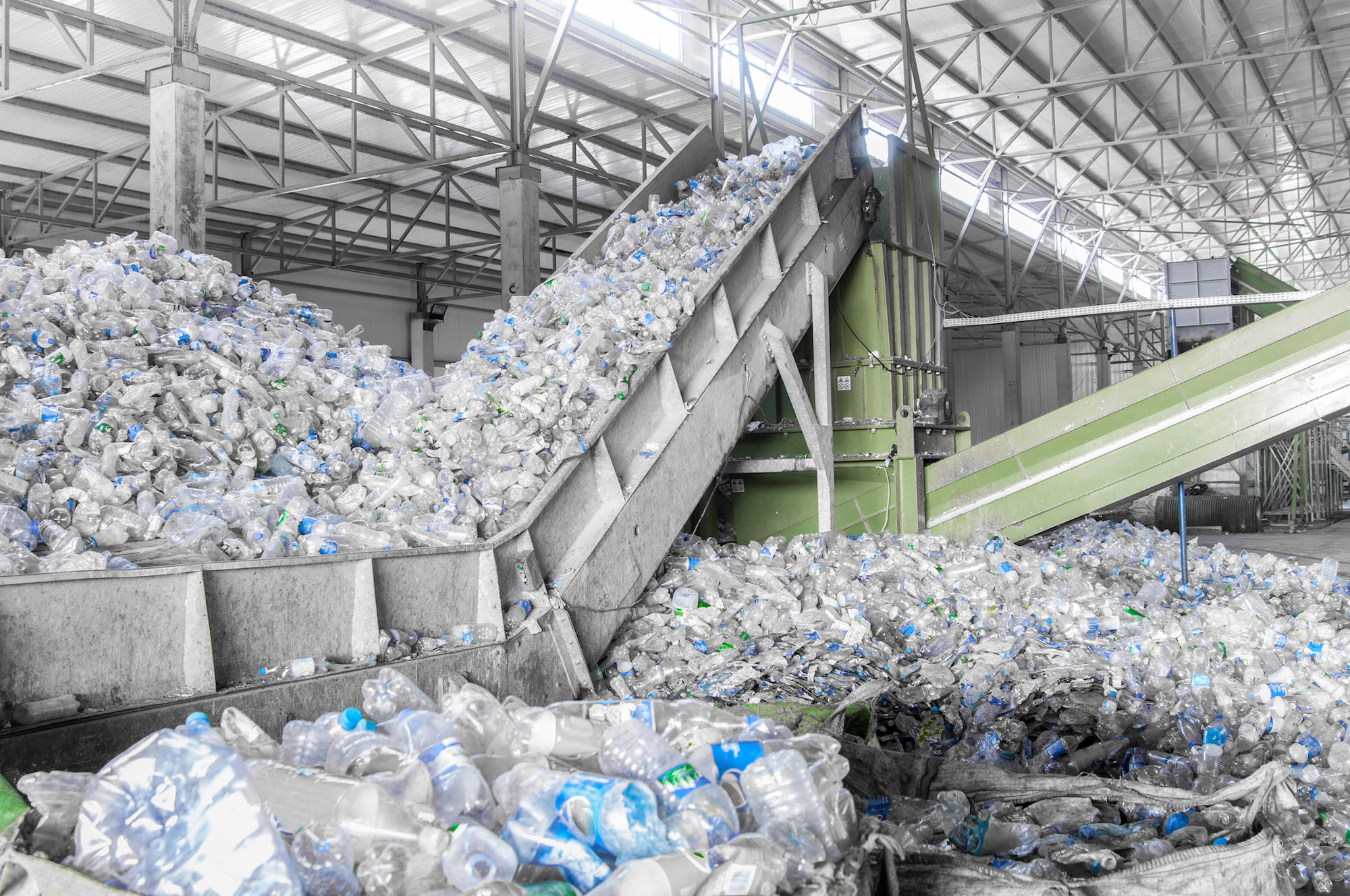
The widely used recycling symbol, the “chasing arrows” logo, is often misunderstood and does not guarantee an item’s recyclability; rather, it indicates the type of plastic used. Recylcing rules are confusing, putting the responsibility on consumers to make the right decisions. Despite efforts, only a small fraction of recyclable plastics are actually recycled. The global plastic waste problem continues to worsen as single-use plastic production increases. However, potential solutions include shifting responsibility to producers, rethinking recycling symbols, and regulating single-use plastics at the legislative level.

Royal Caribbean’s newly inaugurated Icon of the Seas, the world’s largest cruise ship, is criticized for its environmental impact, despite incoprorating energy-efficient technology. Critics question the ship’s sustainability due to its enormous size and reliance on a methane-emitting gas. The ship features advanced technologies like shore power, waste-to-energy systems, and advanced water treatment. However, concerns continue to persist surrounding the cruising industry's commitment to long-term sustainability while building larger ships.


