Our Home Energy Justice Forum Proceedings Report is out, along with a new report on manufactured homes (also called mobile homes or trailers) and the retrofit opportunity for tackling emissions and improved well-being
No images? Click here


Reflections from the Energy Justice Forum
Over 250,000 households in British Columbia experience energy insecurity. This means families are suffering from illness and stress caused by unhealthy temperatures and poor air quality at home – a problem that is only getting worse as our summers get hotter and smokier. At Ecotrust Canada, we aim to help build a more equitable and just housing system, one that recognizes the human right to be safe and healthy at home. On May 27, 2025, we brought together over 110 allies for our second Energy Justice Forum to envision an end to energy insecurity.
Energy justice considers the whole picture – not just electricity and fuel, but how energy affects people's homes, health, and daily lives, especially for communities that face discrimination or economic challenges. Because this work touches on so many different areas, many of us working on home energy justice do so in many different jobs and fields. We don’t often get the chance to meet and work with others who focus on this issue. That’s what made our gathering in Vancouver on Musqueam, Squamish, and Tsleil-Waututh Territories so powerful.
At this year’s Home Energy Justice Forum, we built on progress made since our first forum in 2023. We focused on three key issues in BC: low-carbon home upgrades, affordable energy, and protecting people from extreme heat.
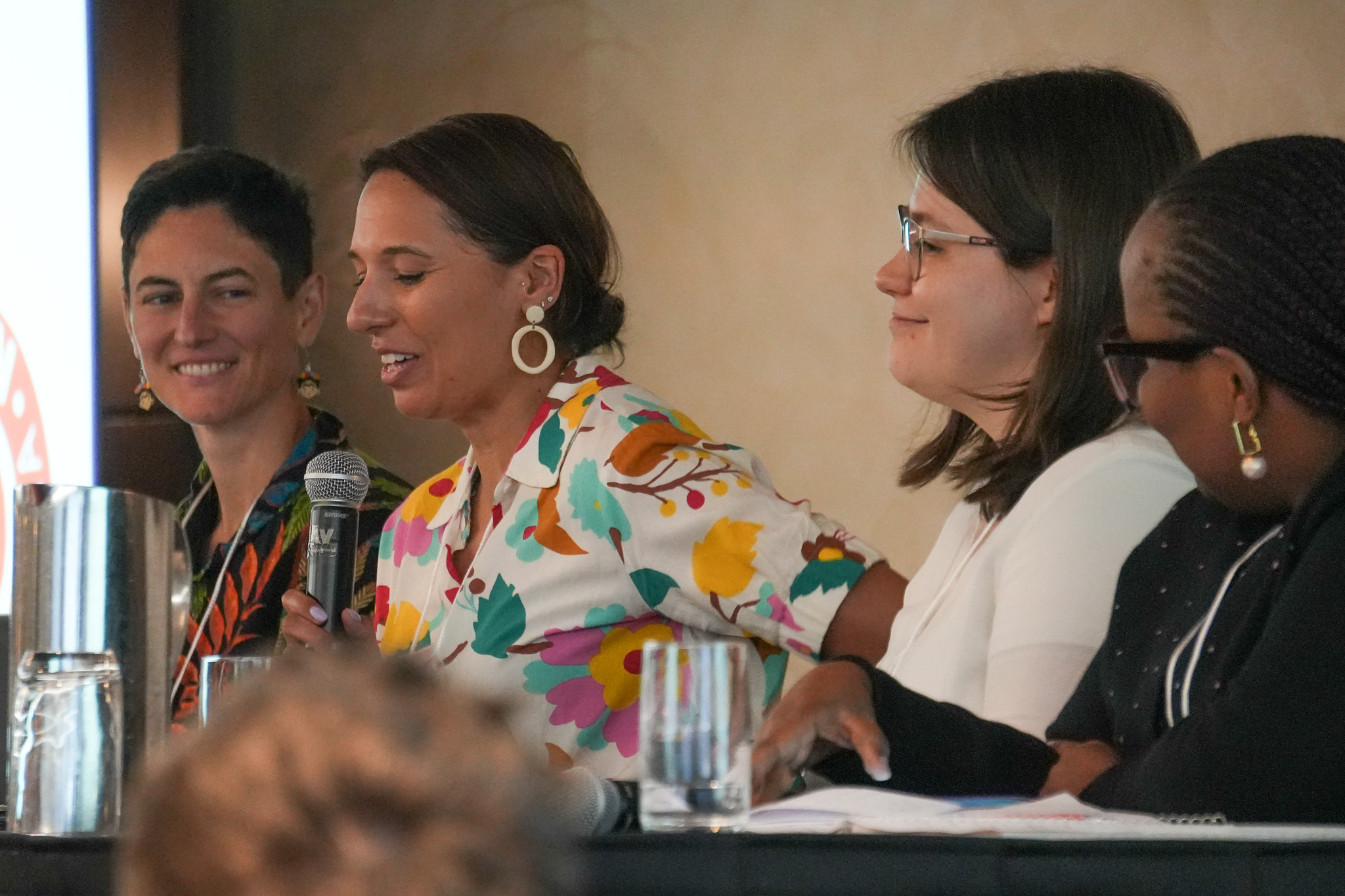
“Coming up with solutions that have input from different areas can be really transformative and important and give people the opportunity to bring leadership back to their area of focus and sphere of influence,” said Rowan Burdge, Executive Director, BC Poverty Reduction Coalition.
Energy insecurity is a pervasive issue that overlaps with housing insecurity. In the course of our work, we regularly speak with people facing unaffordable energy bills and unhealthy housing, whether that be due to overheating in the summer, freezing in the winter, or poor air quality.
Many of these households are also impacted by housing injustice, like lower-income households that cannot afford a heat pump, or tenants who are forbidden by their landlord to make any changes that would make their homes safer. These are the systemic issues that our Energy team, and many others who work in energy justice, are trying to solve.
“Old buildings aren’t just inefficient, they are stories of long-standing neglect, and when we talk about retrofitting, it’s easy to focus on heat pumps and insulation, but what we are talking about is transforming daily life, restoring dignity,” said Jofri Issac, a researcher who specializes in systems mapping of socio-ecological issues at Royal Roads University.
At the forum, participants called for bold action that challenges existing systems and structural inequities – such as enshrining the human right to affordable, safe, and adequate housing. While they identified actions that could improve energy affordability and make homes healthier, participants pointed out that energy and health-centric policies can only go so far.
Real change requires tackling systemic housing injustices. Many participants rejected the notion that landlords and corporations should profit from unsafe and unaffordable housing while families and renters suffer.
Contributions from participants are summarized in our proceedings report, highlighting areas of alignment.

There’s more...

With BC home to over 25% of Canada's manufactured homes, the case for retrofitting is strong – both for improving well-being and reducing energy use. Our new report examines the benefits and challenges of this important affordable housing stock, offering recommendations to make impactful improvements. This work provides valuable lessons for addressing housing and affordability crises while building resilience and tackling emissions across BC.
30 Years of Proving the Possible
A series of reflections from our past three decades of work.
2009

The Cheakamus Community Forest (CCF), which spans 33,000 hectares near Whistler, is co-managed by the Lil'wat Nations, Squamish Nations, and Resort Municipality of Whistler. Seeking an alternative forest management approach, CCF partnered with Ecotrust Canada and the Brinkman Group to develop an ecosystem-based management plan that brought the forest's carbon offsets to market.
Launched in 2009 and verified in 2015, the project reduced tree harvest levels by 50%, protected old growth and cultural areas, and generated BC's first forest carbon offsets under the Forest Carbon Offset Protocol. Revenue from carbon offset sales — including purchases by Whistler Municipality — funds low-impact forestry, cultural site protection, recreation enhancement, and climate resilience initiatives.
This project demonstrates what is possible: an Indigenous and community-led alternative forestry model that balances timber harvesting, tourism, cultural values, recreation, wildlife, and biodiversity.

P.S. If you like this newsletter and want to support it, there are two ways you can do that.
1) Forward this newsletter to a friend with an invitation to subscribe right here.
2) Hit reply and let us know what you think about the ideas that emerged from the Home Energy Justice Forum.

Proving the Possible
Ecotrust Canada works with rural, remote, and Indigenous communities toward building an economy that provides for a healthy and resilient natural environment; sustainable and abundant energy, food, and housing; prosperous and meaningful livelihoods; and vibrant cultures and inclusive societies. We call this approach, building an economy that provides for life.
Thank you for your continued support!
The Ecotrust Canada Team


