We're at a moment where there's still a real opportunity to shape how the seaweed industry develops.
No images? Click here

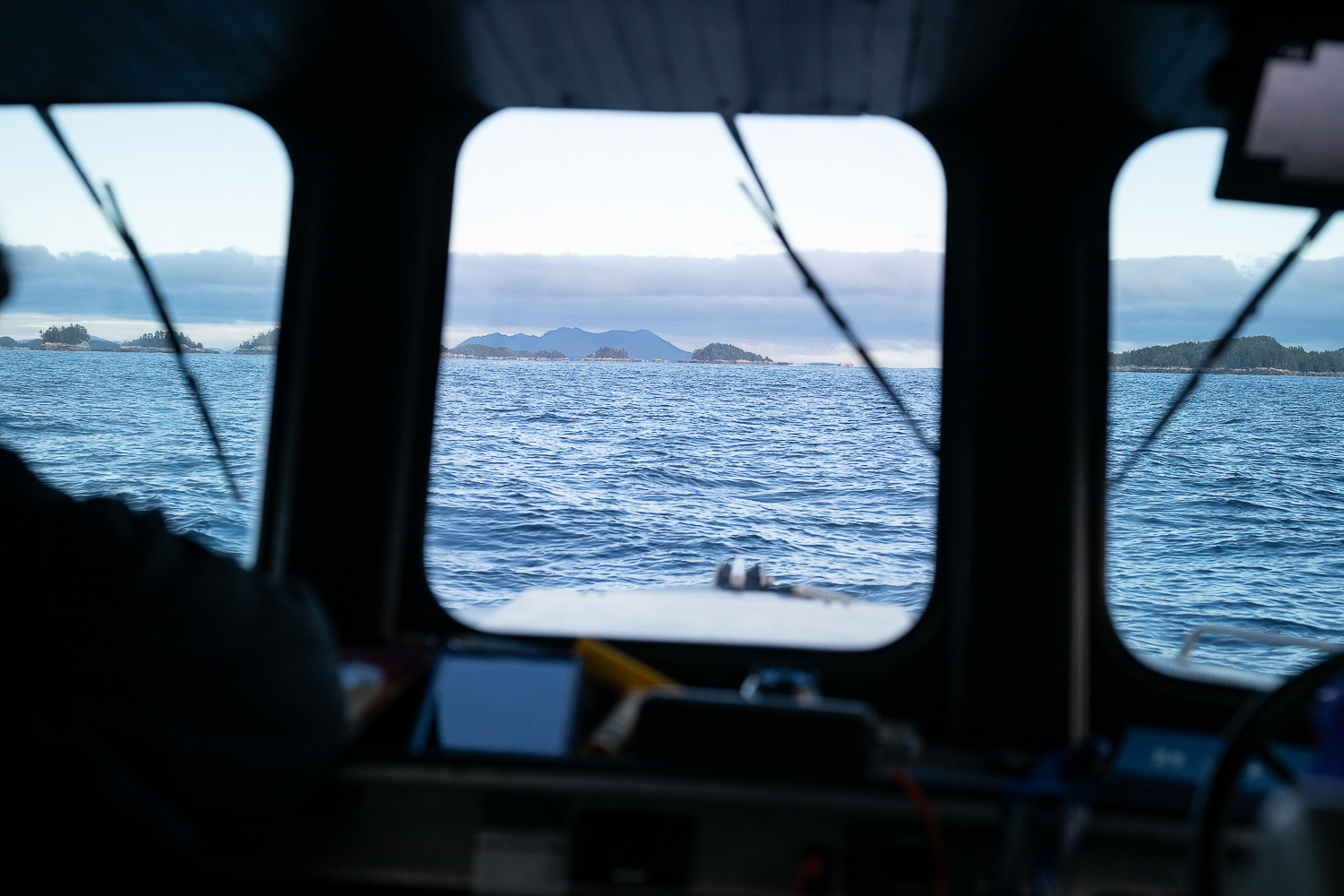
Research and monitoring seaweed around Tugwell Island, just west of Prince Rupert on the northern coast of British Columbia. (Photo by Troy Moth).
Is the Seaweed Sector Building the Future Communities Want?
After a year and a half, my first full day back to work from maternity leave was spent at the Pacific Seaweed Summit in Campbell River. Honestly? Public speaking in front of 150 people on the very first panel was a pretty intense way to ease back into work — but also a joyful one. There’s something energizing about being surrounded by a whole room of people who are deeply passionate about the same thing: seaweed.
And the seaweed sector has grown.
When we first stepped into this space six years ago, there were far fewer people involved. Now, the number of players across the value chain has expanded — growers, processors, researchers, community organizers, policy folks, product developers. The sector is learning and evolving in real time.
Our role has evolved, too...
However, as energizing as the event was, I was struck by how familiar it felt to five years ago, and that gives me pause.
There’s still a tendency in some corners to talk about seaweed like it’s a silver bullet — a climate saviour, an economic saviour, an untapped commodity just waiting to explode. And while there is real opportunity here, I worry about the false hope this can create for farmers and communities entering the sector. Scale is still a major challenge, and if the goal is solely to make piles of profit, the reality remains complicated...
What feels exciting is the growing maturity of the conversation. More people are asking harder questions: Who benefits? What does community-led development actually mean? How do we build a sector rooted in relationships, reciprocity, Indigenous authority, and long-term resilience rather than hype or extraction?
That's where our work increasingly sits.

New & Noteworthy
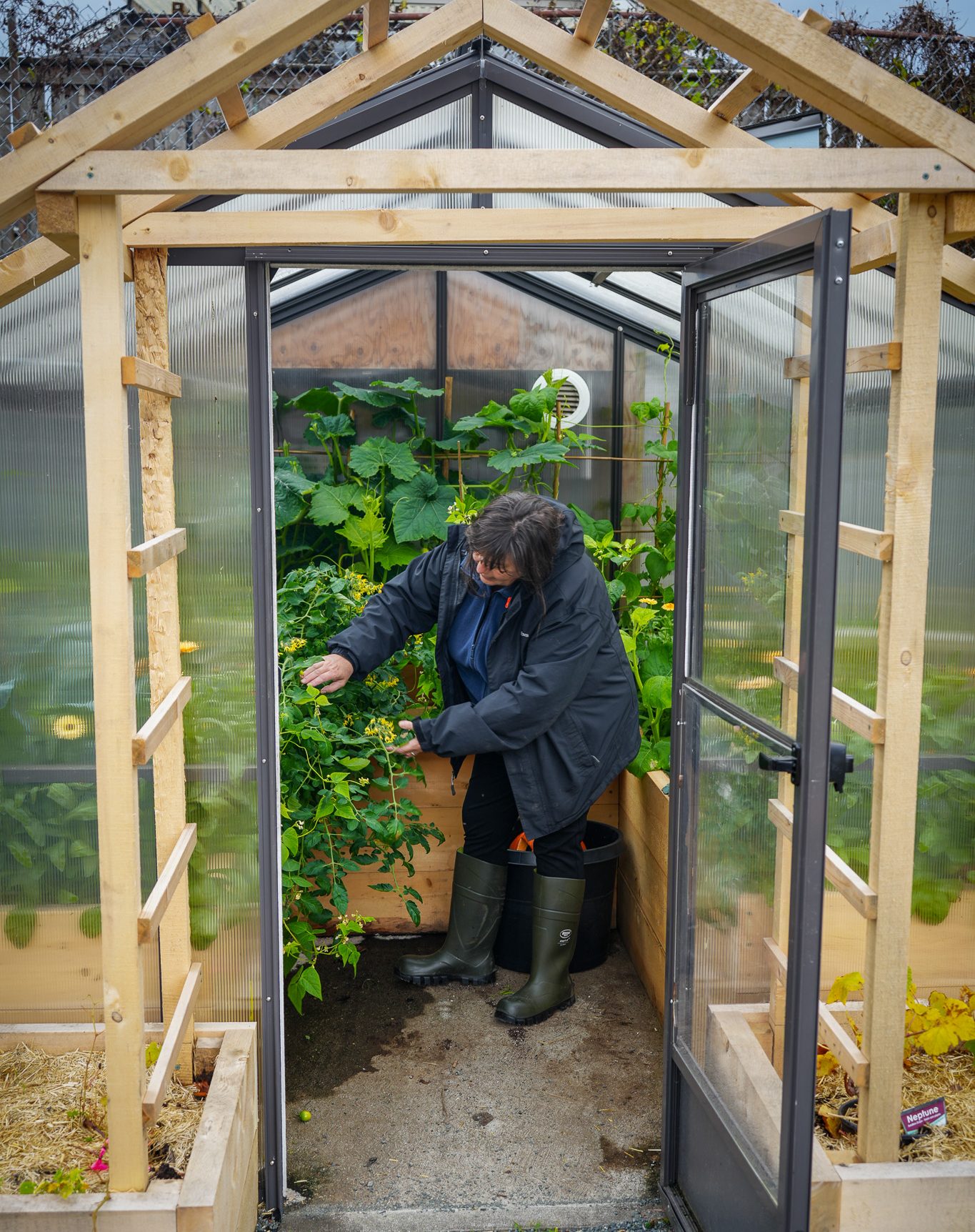
Careers: Summer Positions
Through the Canada Summer Jobs program, we’re hiring two youth positions between the ages of 15 and 30. We’re seeking a Greenhouse & Garden Assistant (9 weeks) to work in Prince Rupert, on Ts’msyen territory; and a Housing Analyst for our Indigenous Homelands Program (8 weeks) to work either remotely or in-community in the Central Coast or Interior Region of British Columbia. The compensation for each position is $23.50/hour.
Where We Work

On the docks in Tofino on Tla-o-qui-aht First Nation territory, our Dockside Monitors are gearing up for the T’aaq-wiihak fishery. In this photo taken last May, Shelby Huebner, our Project Coordinator and Deployment Supervisor for the T’aaq-wiihak Fishery Monitoring Program, greets a fisherman who had brought his catch to the docks to be validated.
In a blog, Shelby said: “Data collection is very important to ensure a sustainable fishery, and that there’s no overharvesting.”
This year, our community-based monitoring programs will support more than 850 fish harvesters in British Columbia. Our data collection services inform sustainable management while creating career opportunities for locals in the region, who know their waters best.
Monitoring is just one part of our goal of revitalizing sustainable, fair, and prosperous commercial fisheries on the Pacific Coast. (Shannon Lough photo)
P.S. What are your thoughts on the future of growing seaweed?

Proving the Possible
Ecotrust Canada works with rural, remote, and Indigenous communities toward building an economy that provides for a healthy and resilient natural environment; sustainable and abundant energy, food, and housing; prosperous and meaningful livelihoods; and vibrant cultures and inclusive societies. We call this approach, building an economy that provides for life.
Thank you for your continued support!
The Ecotrust Canada Team


